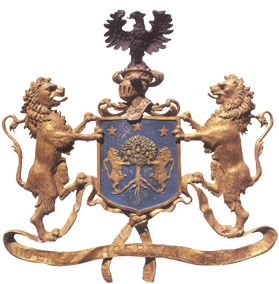

Casa Rocca Piccola is not just a historic house in Valletta, it is a living family home filled with remarkable objects that bring Malta’s past to life. Passed down through generations of the de Piro family, each piece offers a glimpse into centuries of history, culture, and aristocratic life.
From rare maps to personal belongings, these objects tell stories that connect Malta to Europe, religion, and everyday life inside a noble residence.
Here are 10 fascinating objects to look out for during your visit.
1. A Rare 16th-Century Map of Valletta
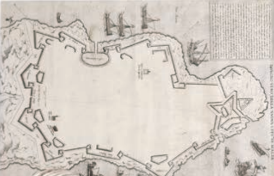
Tucked within the Chinese Room, this rare and very valuable 16th-century map of Valletta captures the city in its early years, not long after its construction by the Knights of St John. More than just a decorative piece, it reflects Malta’s strategic importance in the Mediterranean and its role as a fortified stronghold.
Maps like this were essential tools of power, used to understand and defend territory. Today, it offers visitors a fascinating glimpse into how Valletta was first imagined, a city built for both beauty and defence.
2. Silver Scent Holders and Sponge Box
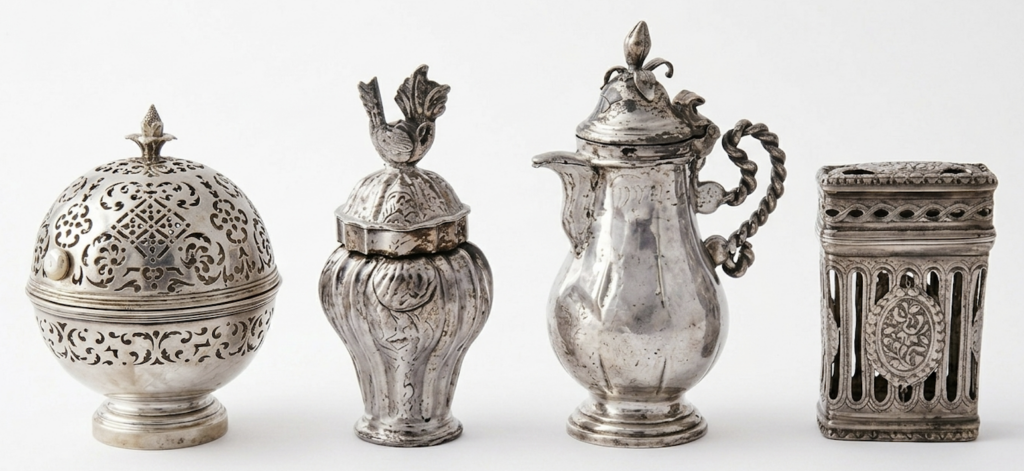
Delicate yet highly functional, these silver pieces found in the Chinese Room reveal the refined habits of aristocratic life. The vinaigrettes were used to hold scented vinegar or perfumes, often carried to mask unpleasant odours in crowded cities. Sponge boxes would hold sponges made of a soft coral from the sea, a great luxury in times gone by.
Beyond their practical use, they reflect a world where elegance extends into the smallest details. Crafted in the 18th century, these objects speak to both luxury and the social customs of Malta’s noble class.
3. The Bohemian Crystal Chandelier
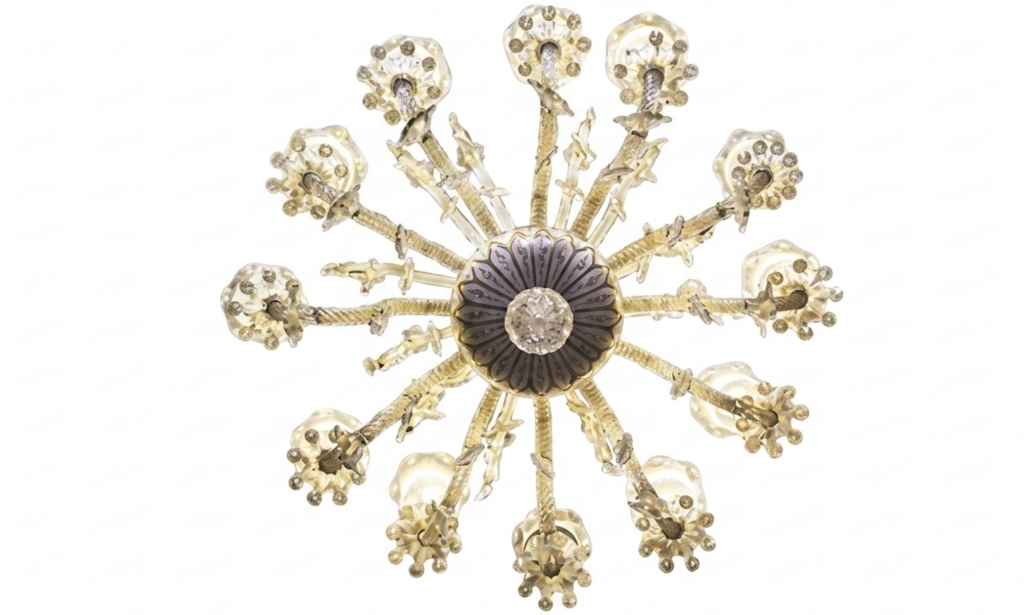
Dominating the Sala Grande, this 18th-century chandelier from Bohemia is a striking symbol of status and international influence. At a time when Malta was deeply connected to European trade and culture, such pieces would have been imported to reflect wealth and sophistication.
Its presence in the palace highlights how Casa Rocca Piccola was not isolated, but part of a wider European network of art, craftsmanship, and design.
4. Portraits of Maltese Nobility
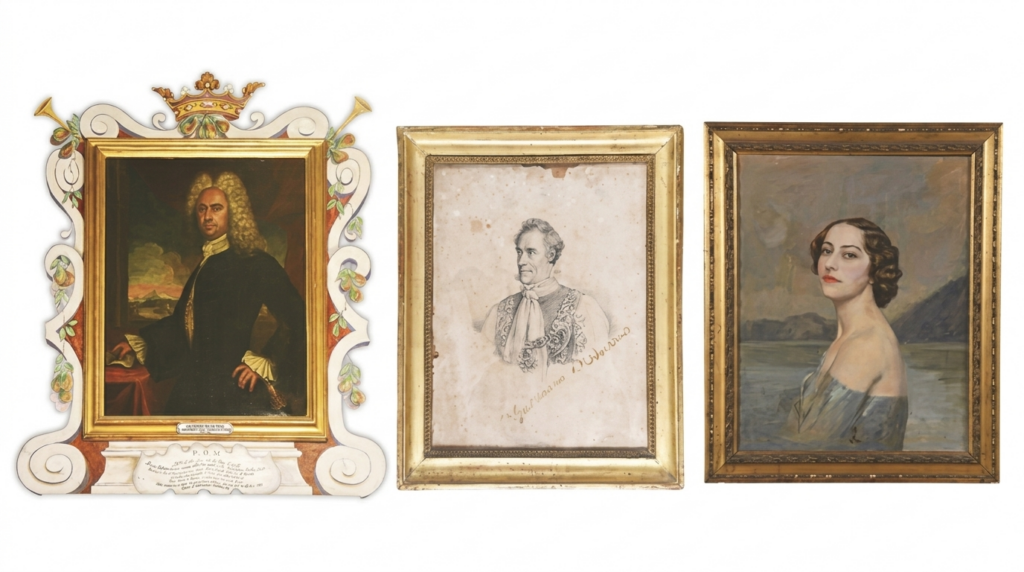
Throughout Casa Rocca Piccola, portraits line the walls, each one telling a personal and political story. Many depict members of the de Piro family, while others represent influential figures connected to Malta’s history.
These paintings were more than decoration; they were statements of identity, legacy, and status. They allow visitors to come face-to-face with the individuals who shaped the home and, in many ways, the island itself.
5. The Family Chapel Relics
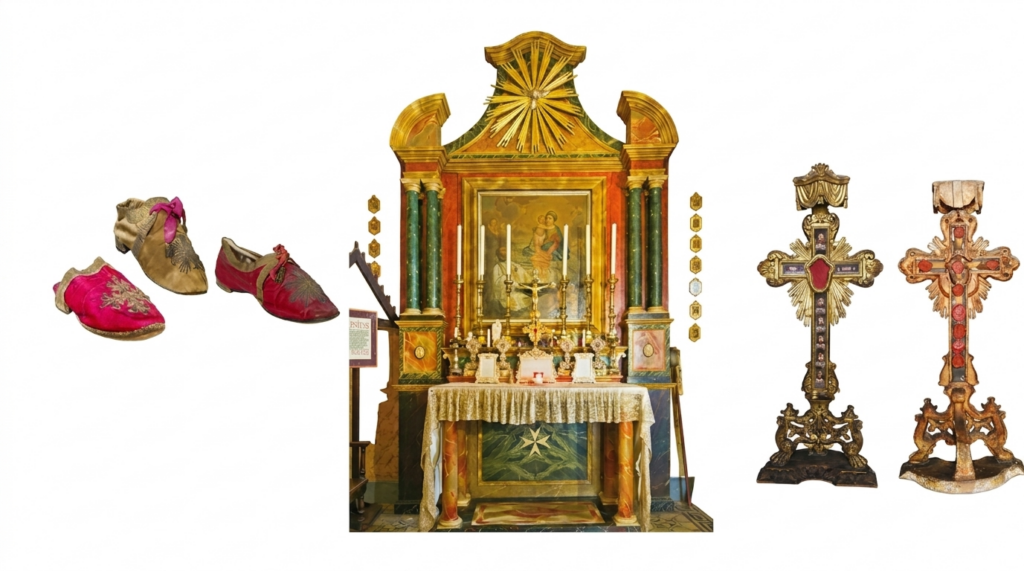
The private family chapel is one of the most intimate spaces in the house, filled with objects of deep spiritual significance. Among them is a reliquary said to contain a fragment of the True Cross, a powerful symbol of faith.
Such objects reflect Malta’s strong Catholic identity and the important role religion played in noble households. The chapel is not just a place of worship, but a reminder of the island’s enduring religious heritage.
6. Historic Documents in the Archive Room
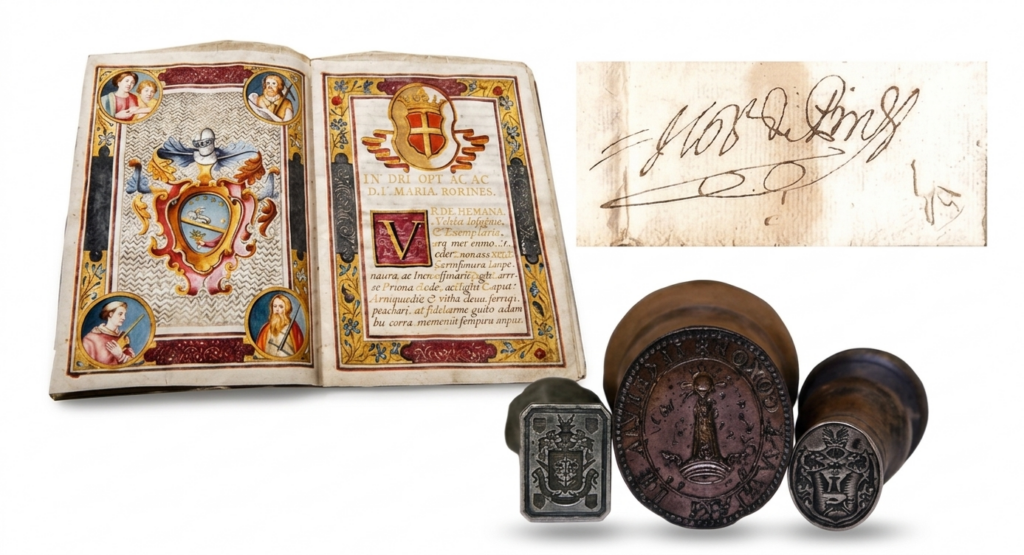
The Archive Room offers a rare look into the written history of the de Piro family and Malta itself. Filled with seals, manuscripts, legal documents, and correspondence, it spans centuries of personal and national history.
These documents reveal how noble families were deeply involved in governance, land ownership, and social structure. It is one of the most historically rich spaces in Casa Rocca Piccola, connecting visitors directly to Malta’s past.
7. The 18th-Century Ship Model
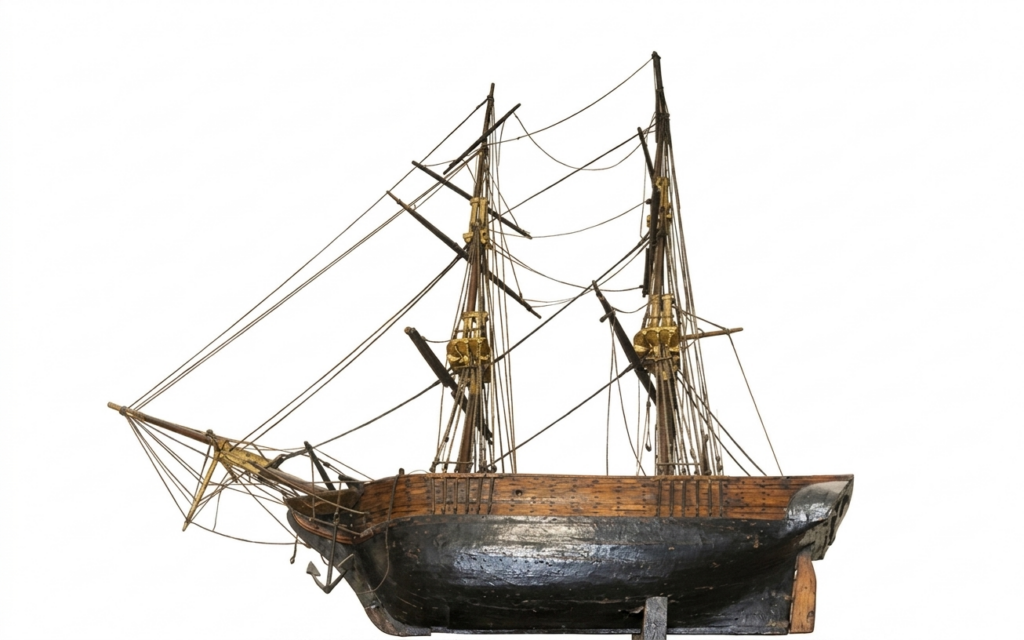
A beautifully detailed ship model found in the Archive Room reflects Malta’s long-standing maritime importance. Positioned at the heart of Mediterranean trade routes, the island has always been closely tied to the sea. This model is more than decorative, it represents Malta’s naval heritage, its economic lifelines, and its strategic importance throughout history.
8. The Sedan Chair
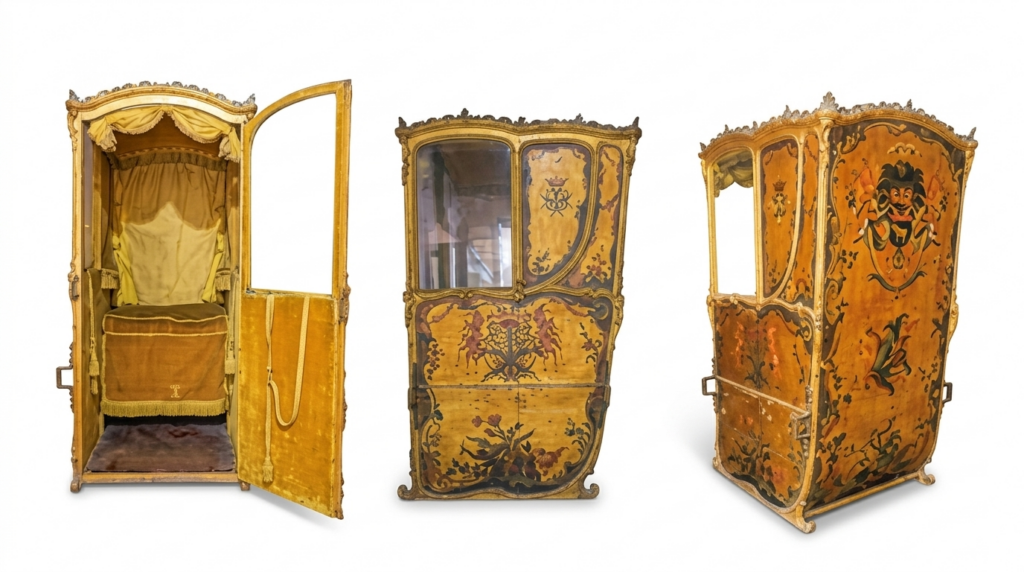
One of the most valuable objects in Casa Rocca Piccola, the sedan chair was once used to transport Knights of Malta through Valletta’s narrow streets. Carried by attendants, it provided both convenience and privacy.
What makes this particular sedan chair even more special is its origin: it was custom-made in Paris for a distinguished French knight in Malta, Fra Victor Nicholas de Vachon Belmont, Captain General of the galleys. It is beautifully hand-painted with his coat of arms, initials, and intricate marine motifs, subtle references to the many ships he once commanded. These personalised details transform it from a simple mode of transport into a striking statement of power, identity, and personal legacy.
Rich in colour and craftsmanship, the sedan chair reflects not only aristocratic life in Malta, but It also stands as a vivid reminder of a time when even travel through the city was an elegant, highly personalised experience.
9. The Four-Poster Bed
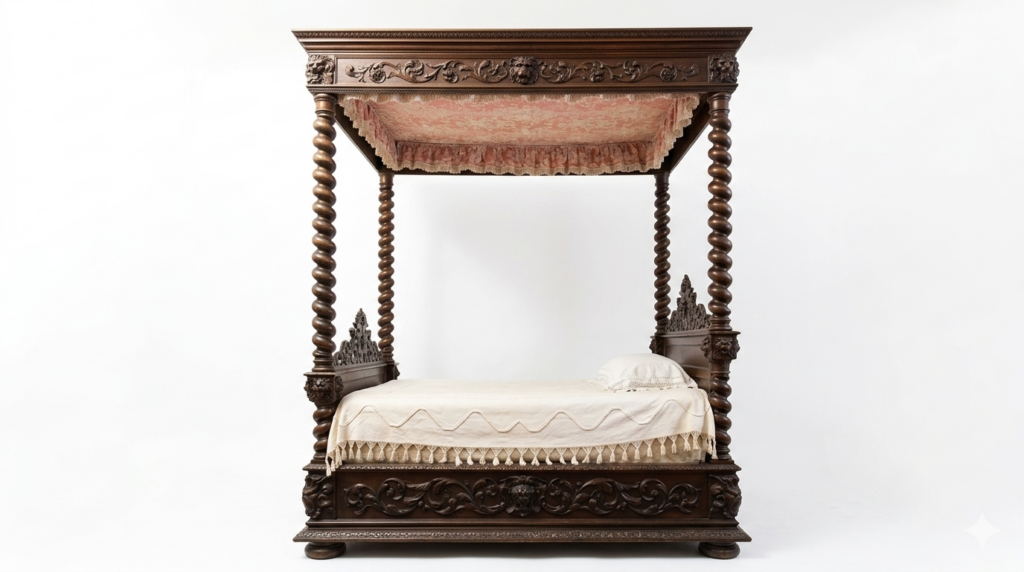
This elegant four-poster bed is more than a beautifully crafted piece of furniture, it holds a deeply personal family story.
Made from Sicilian oak, the bed belonged to Orsola de Piro d’Amico and formed part of her matrimonial home when she married in 1867. She raised nine children, seven boys and two girls all of whom lived into adulthood, a remarkable feat for the time.
The story doesn’t end there. Two of her sons became priests, one of whom, Giuseppe, is being considered by the Vatican for sainthood, adding a profound spiritual legacy to what might otherwise seem like a domestic object.
This bed is not just a reflection of craftsmanship and European influence, but a powerful symbol of family life, legacy, and the generations that shaped Casa Rocca Piccola.
10. The Maltese Clock
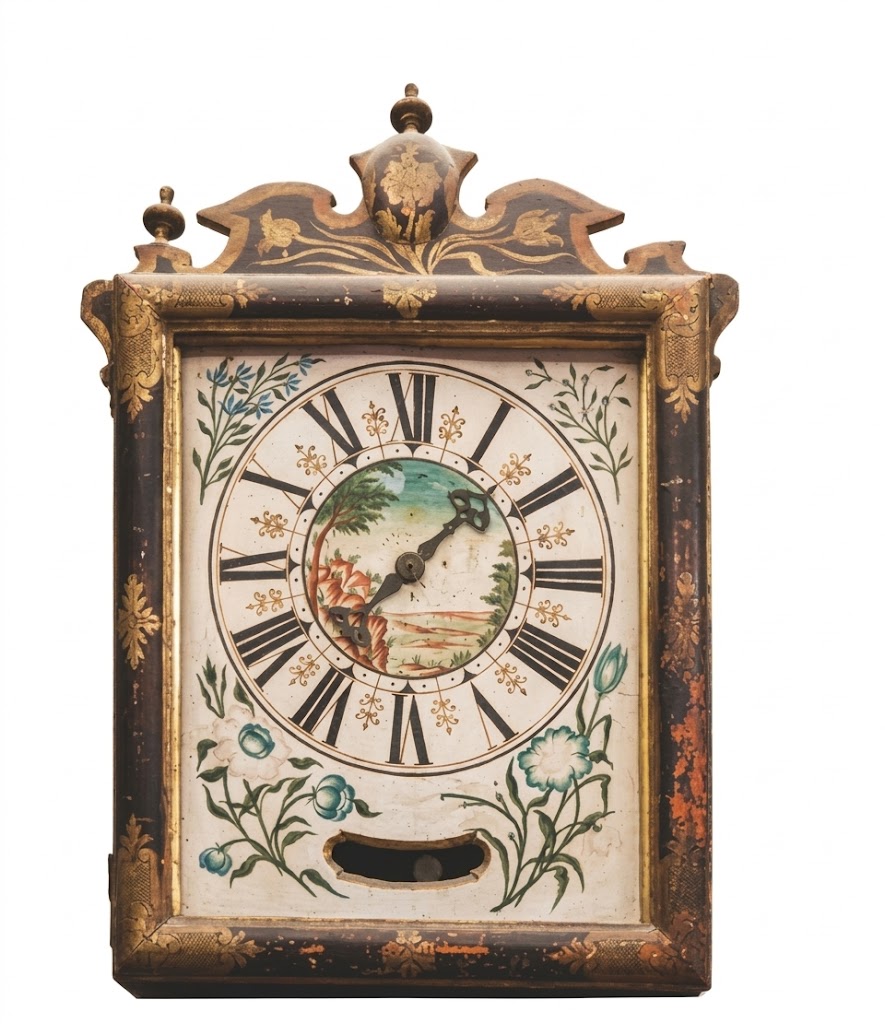
At first glance, this 18th-century Maltese clock may seem simple, but its design reveals a very different way of experiencing time.
Unlike modern clocks, it features only a single hand to indicate the hour, offering a slower, less precise reading of time. Maybe in quiet Malta and in an era before strict schedules, this reflected a more relaxed rhythm of daily life.
What makes it even more fascinating is its mechanism, the clock needed to be wound up to three times a day, requiring constant care and attention. It was not just a timepiece, but an object that demanded interaction.
Crafted locally, the clock stands as a beautiful example of Maltese craftsmanship, blending function with tradition. Today, it serves as a quiet reminder of how life once moved, measured not in minutes, but in moments.
Discover the Story Behind Casa Rocca Piccola
From historic objects and handcrafted furniture to personal belongings and family heirlooms, Casa Rocca Piccola offers a rare insight into the lives of the de Piro family across generations. Each room reveals a deeply personal narrative, where history is experienced through the people who lived it.
What makes Casa Rocca Piccola truly unique among historic houses in Valletta is that it remains a lived-in noble residence. These objects are not simply preserved, they are part of an ongoing family story that continues to evolve today.
For those interested in Malta’s noble heritage, Valletta’s history, and authentic cultural experiences, Casa Rocca Piccola offers something truly special. It is a place where family legacy, tradition, and history come together in a way that feels intimate and real.
Plan your visit to Casa Rocca Piccola and step inside a home where the story is not just about Malta, but about the family who live there.
Leave a Reply