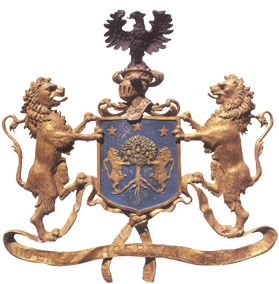

If you’re searching for things to do in Valletta, visiting Casa Rocca Piccola offers something truly unique. Unlike a traditional museum, this historic palace is a lived-in noble family home, giving visitors an authentic glimpse into Maltese aristocratic life past and present.
Stepping inside Casa Rocca Piccola is not just about observing history behind glass. It’s about experiencing it in a real home that has been continuously lived in for over 400 years.
A Living Piece of Valletta’s History
Casa Rocca Piccola is one of the last remaining private palaces in Valletta still inhabited by a noble Maltese family. Built in the 16th century, the home reflects the grandeur of Valletta’s origins as a city designed for the Knights of St John.
Today, it remains the residence of the de Piro family, making it very different from a typical Valletta museum. As highlighted in the house’s history, the property has been passed down through generations and continues to be lived in today .
What Makes Casa Rocca Piccola Different from a Museum
Most museums feel curated and distant. Casa Rocca Piccola feels personal, intimate, and alive.
Instead of glass cases and barriers, you’ll find:
- Original furniture still in place
- Family heirlooms displayed as part of everyday life
- Rooms that feel like they were just lived in
From the moment you enter, you’re not just a visitor, you’re a guest in a noble Maltese home.
What to Expect During Your Visit
A visit to Casa Rocca Piccola is typically guided, which adds another layer of authenticity and storytelling.
1. Walking Through Grand State Rooms
You’ll explore beautifully preserved rooms such as:
- The Sala Grande, with its high ceilings, chandeliers, and historic paintings
- The richly decorated Chinese Room, filled with rare objects and maps
- The elegant Dining Rooms, showcasing how aristocratic families entertained guests
Each space tells a story of wealth, culture, and Maltese heritage.
2. Discovering Personal Family Spaces
Unlike traditional attractions, Casa Rocca Piccola allows you to see areas that feel deeply personal:
- Bedrooms with period furniture
- The family chapel, still reflecting centuries of devotion
- Private collections of books, documents, and artefacts
The Archive Room, for example, contains centuries-old documents, contracts, and family records, offering insight into noble life across generations .
3. Exploring Authentic Collections
Throughout the house, you’ll find:
- Original paintings and portraits of Maltese nobility
- Antique furniture and decorative arts
- Historical objects connected to Malta’s past
These aren’t replicas, they are genuine pieces collected and preserved by the family over centuries.
4. Experiencing a Real Home Atmosphere
What truly sets Casa Rocca Piccola apart is the atmosphere.
There’s a warmth to the space that you won’t find in museums:
- Natural light filling lived-in rooms
- Personal touches throughout the house
- A sense that life is still happening here
It feels less like a tourist attraction and more like stepping into someone’s story.
Why the Experience Feels So Personal
Because Casa Rocca Piccola is still inhabited, every visit feels authentic.
You’re not just learning about history, you’re seeing how it continues today.
This creates:
- A deeper emotional connection
- A more memorable visitor experience
- A rare opportunity to understand Maltese noble life firsthand
It’s this authenticity that makes Casa Rocca Piccola one of the best cultural experiences in Valletta.
A Must-Visit in Valletta
If you’re planning your visit to Malta and looking for unique things to do in Valletta, Casa Rocca Piccola should be at the top of your list.
It offers:
- A rare look inside a real noble home
- A blend of history, culture, and personal storytelling
- An experience that goes far beyond a typical museum visit
Leave a Reply